Common Myths About Cardboard and Packaging Disposal Debunked
Cardboard is everywhere -- from that early morning grocery delivery to the late-night parcel you forgot you'd ordered. Yet, despite how familiar it is, cardboard and packaging disposal remains riddled with misconceptions. Truth be told, a handful of sticky myths quietly costs homes and businesses money, time, and credibility with customers who care (deeply) about sustainability. This long-form guide debunks the most common myths, gives you practical steps, and helps you make confident, compliant choices -- especially if you're in the UK and juggling local rules.
You'll get the facts, sure, but you'll also get something else: a calm, human voice from real-world experience. We've stood next to a baler at 6:30 a.m., heard the low thump as it locks in a perfect bale, and yes -- you could almost smell the cardboard dust in the air. We've watched people hesitate at the bin, unsure whether to peel off tape or flatten the box. Let's make it simple again.
Table of Contents
- Why This Topic Matters
- Key Benefits
- Step-by-Step Guidance
- Expert Tips
- Common Mistakes to Avoid
- Case Study or Real-World Example
- Tools, Resources & Recommendations
- Law, Compliance or Industry Standards (UK-focused)
- Checklist
- Conclusion with CTA
- FAQ
Why This Topic Matters
To be fair, cardboard and packaging disposal seems straightforward until you're staring at a pile of mixed boxes, bubble wrap, and a pizza box with a dodgy oil stain. The internet is full of advice; some of it is solid, but plenty is outdated or only true in certain places. That's why the phrase "Common Myths About Cardboard and Packaging Disposal Debunked" isn't just clickbait. It's a necessary reset.
Consider a few persistent myths:
- Myth: "You must remove every speck of tape and all labels."
- Myth: "Wet cardboard can still be recycled later once it dries."
- Myth: "Pizza boxes can never be recycled."
- Myth: "All packaging with paper content is curbside recyclable."
- Myth: "Recycling uses more energy than it saves."
Now, why do these myths matter? Because decisions at the bin impact your costs, your environmental footprint, and your legal compliance (especially for UK businesses under Duty of Care). Contamination raises processing costs. Wishcycling undermines the system. And ignoring key standards can land businesses in hot water -- or at least with heavier invoices than necessary.
On a drizzly Tuesday in London, we watched a facilities manager hover over two bins -- one for general waste, one for cardboard. He sighed, choosing the general waste because the box had a stubborn label. That tiny moment, repeated thousands of times across cities, shapes our waste streams. Small choices. Big outcomes.
Key Benefits
Debunking cardboard disposal myths and updating your practices delivers more than a warm glow of doing good. The benefits are practical, measurable, and immediate.
- Lower waste costs: Clean, well-segregated cardboard is a commodity (OCC -- old corrugated containers). Better quality equals higher rebates or lower collection fees.
- Compliance and risk reduction: Correct sorting and documentation supports your Duty of Care under UK law and avoids fines.
- Environmental impact: Recycling cardboard typically uses less energy and water than producing virgin fibre. Multiple UK and EU studies (e.g., WRAP, European Paper Recycling Council) report energy savings in the range of 20-50% and significant water reductions.
- Brand trust: Customers increasingly judge businesses by visible sustainability efforts -- tidy recycling stations beat overflowing general waste, every time.
- Operational efficiency: Flattening and baling reduce space, pickups, and the chaos of overflowing bins that make hallways feel... cramped.
- Cleaner sites: Less odour, fewer pests, and fewer windblown bits that make your yard look like a paper storm passed through.
It's kinda wild how quickly a few tweaks calm everything down. Clean, clear, calm. That's the goal.
Step-by-Step Guidance
Let's replace myths with a simple, confident system you can use at home or scale for a business. We'll call it the 10-step method to recycle cardboard and packaging right -- without fuss.
- Identify your materials. Separate corrugated cardboard (the thick stuff with a fluted middle) from thin paperboard (like cereal boxes). Corrugated has the best resale and is your main target for high-quality recycling.
- Check local rules. If you're in the UK, each council sets household rules. For businesses, check your waste contractor's accepted list. Most accept clean corrugated; some won't take waxed, laminated, or heavily soiled boards.
- Flatten and size down. Use a safety knife or box cutter to break boxes flat. Remove bulky inserts. Flattened boxes prevent air pockets in bins and save money on pickups.
- Remove problem contaminants (not every label). Debunked: You don't need to peel off every tape strip. Small amounts of plastic tape, labels, or staples are filtered out by most materials recovery facilities (MRFs). Do remove food scraps, liquids, and heavy plastic film.
- Keep it dry. Store cardboard under cover. If it's raining (this is Britain, after all), keep bales and stacks off the floor on pallets. Wet fibres weaken and can cause mould -- most MRFs reject soggy loads as contamination.
- Know the pizza box rule. Lightly stained pizza boxes are often accepted in UK household collections, but grease-soaked sections should go to food waste or general waste. If only the lid is clean, tear it off and recycle that part. Easy.
- Handle tricky packaging correctly.
- Bubble wrap and plastic film: Not usually curbside; collect for store drop-off where available or reuse for future parcels.
- Padded mailers: Paper-only mailers are increasingly recyclable; plastic-lined (poly bubble) are not curbside. Separate where possible.
- Waxed or heavily laminated boxes: Often non-recyclable in curbside streams; check with your contractor.
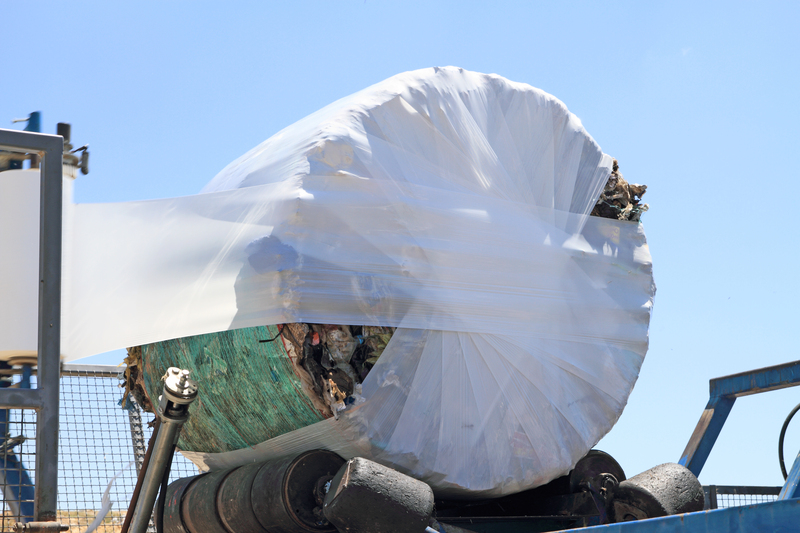
- For businesses: bale or compact properly. Follow machine guidelines. Don't over-compact to the point of breaking bale wires. Label bales as OCC and keep to EN 643 grade expectations for best pricing.
- Document movements. UK businesses must maintain Waste Transfer Notes (WTNs), keep SIC codes updated, and use a licensed carrier. Keep records for at least two years.
- Train your team (or household). A 10-minute briefing with visuals beats endless reminders. Put simple signs above bins. Real example: "Cardboard only. No food. Leave small bits of tape on."
One warehouse manager told us he switched to a bright blue baler and suddenly loads improved -- "People remembered the colour. They just got it." Sometimes design really does do the heavy lifting.
Expert Tips
We've tested and refined these in offices, retail units, kitchens, and cold, echoey loading bays.
- Myth-busting in a sentence: Small tape is fine; moisture and food are the real enemies.
- Batch your breakdowns: Flatten boxes at the end of each shift to avoid the "box mountain" that leads to shortcuts and contamination.
- Use pallet toppers and stretch film sparingly: Over-wrapping adds cost and contamination. Where possible, switch to reusable straps.
- Audit quarterly: A 15-minute walk-through with a checklist reveals patterns -- wet storage near bay doors, wrong bin liners, staff confusion over pizza boxes... the usual suspects.
- Set rainy-day rules: In the UK, have a wet-weather plan: keep a spare covered cage for incoming cardboard; never leave flattened stacks outside even "just for an hour."
- Offset with reuse: Reuse boxes for internal transfers or community swaps. Reuse beats recycling on the waste hierarchy -- and customers notice.
- Data matters: Ask your contractor for monthly tonnage and contamination feedback. If they can't provide it, consider your options.
- Don't be shy with signs: Include photos of acceptable cardboard and a quick note: "Okay to leave tape, not okay to leave food." Simple wins.
And if you ever doubt whether training works, watch a team that's proud of their recycling bay. The sound of that clean bale sliding neatly onto a pallet? Oddly satisfying.
Common Mistakes to Avoid
Let's call out the big ones -- some are almost myths-in-action:
- Bagging recyclables in black sacks. Many MRFs reject black-bagged material because they can't see contamination. Use clear sacks if you must bag at all.
- Leaving cardboard in the rain. Once waterlogged, fibres can break down and "slough." Drying doesn't fully restore quality.
- Wishcycling -- tossing in laminated cartons, greasy takeaway boxes, or plastic mailers because "maybe they'll sort it." It increases rejection rates.
- Over-compact bales. Straining wires or creating misshapen bales can lead to safety issues and lower rebates. Follow the machine's sweet spot.
- Ignoring EN 643 grades. For businesses: selling mixed, contaminated bales costs money. Grade consistency gets you better pricing.
- Not training new starters. High turnover? Embed recycling steps into induction. Five minutes now saves 500 mistakes later.
- Storing near odours or spills. Cardboard absorbs smells. A stack near a fryer? Not great for quality -- or morale.
We once opened a store-room door and the smell of old coffee hit us -- a pallet of boxes had soaked up a latte spill. Recyclers refused it. Painful lesson, learned fast.
Case Study or Real-World Example
Case: Independent Cafe in Manchester
Setting: A busy cafe just off Deansgate, with daily deliveries and a small back-of-house alley that catches every gust of rain. The owner believed tape and labels had to be meticulously removed -- so boxes piled up inside, unflattened, waiting for "a quiet day." You know how that ends.
Problems: Overflowing general waste, high collection costs, cardboard stacks getting damp by the door, staff confusion about pizza box lids from staff meals.
Intervention:
- Introduced a simple policy: flatten boxes immediately, remove bulky inserts only, leave standard tape on.
- Installed a wall-mounted sign: "No food. No wet. Tape is fine."
- Placed a plastic pallet mat to keep cardboard off the floor during downpours.
- Short staff briefing: "Greasy pizza bases -> food waste; clean lids -> recycling."
Results (8 weeks):
- General waste collections reduced by 30%.
- Contractor accepted all cardboard with zero contamination warnings.
- Back room cleared; no more "cardboard drift" into the prep area.
- Staff felt confident and oddly proud -- the manager joked the baler was now "part of the team."
Small myths, quietly debunked. Real savings.
Tools, Resources & Recommendations
Whether you're managing a household or a regional distribution centre, the right tools and references make cardboard and packaging disposal smoother.
- Baler or compactor: For businesses with volume. Choose size based on weekly tonnage and available floor space. Look for safety interlocks and bale size suited to your buyer.
- Dry storage setup: Pallets, pallet toppers, and waterproof covers. A simple canopy near the loading bay can pay for itself by preventing downgrades to your OCC grade.
- Signage kit: Laminated A3 signs with photos of acceptable and unacceptable items. Include the quick myth-busters: tape okay; food not okay.
- Training micro-modules: A 5-7 minute induction video or a one-page guide. Revisit every quarter.
- Standards and guides: EN 643 (European list of paper and board for recycling grades), UK Waste Hierarchy guidance, WRAP toolkits on packaging and recycling (widely used in the UK).
- Measurement: Basic weigh scales for bales and monthly reporting dashboards. If your collector offers reports, make sure they include contamination notes.
- Alternative outlets: Community reuse groups, local schools for clean cardboard tubes, and packaging exchange platforms for surplus boxes.
On a wet Wednesday in Bristol, a facilities lead told us adding a ?25 waterproof cover kept their cardboard sale grade high all winter. Real-world solutions aren't always fancy, just smart.
Law, Compliance or Industry Standards (UK-focused if applicable)
UK readers, this section is for you -- and for any business operating here.
- Duty of Care (Environmental Protection Act 1990): Businesses must manage waste responsibly from creation to disposal. That includes maintaining Waste Transfer Notes, using licensed carriers, and preventing escape of waste.
- Waste (England and Wales) Regulations 2011: Mandates the Waste Hierarchy: prevent, reuse, recycle, recover, landfill as last resort. Cardboard sits clearly in the recycle category when clean.
- Producer Responsibility Obligations (Packaging Waste) Regulations: If you place a certain amount of packaging on the UK market, you may have obligations to report and fund recycling.
- Extended Producer Responsibility (EPR) for Packaging: Rolling out from 2024-2026, shifting more costs of household packaging waste management onto producers. Expect granularity by material type and better data capture.
- Waste Carrier Registration: Businesses transporting their own waste regularly may need to register as lower-tier waste carriers or use accredited carriers.
- Record keeping: Keep WTNs for two years (hazardous waste consignment notes longer). Include EWC codes (e.g., 15 01 01 paper and cardboard), SIC code, and accurate descriptions.
- Standards: EN 643 for recovered paper grades; ISO 14001 for environmental management systems; ISO 9001 for quality where you want to reassure buyers of bale consistency.
- Devolved differences: Scotland, Wales, and Northern Ireland may have distinct collection systems and targets. Always check local guidance.
Compliance isn't just paperwork. It's the backbone that proves your recycling story is real, not just nice words in a brochure.
Checklist
Here's a quick, ready-to-print checklist -- the no-excuses version.
- Segregation: Dedicated, clearly signed containers for cardboard. No food, no liquids.
- Condition: Keep it dry. Store off-floor on pallets. Never outside when rain threatens.
- Preparation: Flatten boxes. Remove bulky plastic inserts and obvious food contamination. Leave small tape and staples.
- Contaminants: Greasy pizza bases -> food/general waste. Clean lids -> recycling.
- Tricky items: Bubble wrap/film -> store drop-off or reuse. Laminated mailers -> check labels; separate where possible.
- Equipment: Baler settings correct; PPE available; bale wires intact; area tidy.
- Documentation: WTNs up to date; licensed carrier verified; EWC codes accurate.
- Training: Team briefed. Induction includes 5-minute recycling module. Signage visible.
- Monitoring: Monthly tonnage and contamination feedback reviewed; adjust practices as needed.
Stick this near your recycling bay. You'll see behaviour snap into place within a week, often quicker.
Conclusion with CTA
When you strip away the noise, most "rules" about cardboard recycling are simpler than they sound. The biggest win comes from keeping cardboard clean and dry, flattening it, and not sweating every bit of tape or those tiny staples. Myths debunked, costs down, compliance sorted.
In our experience, once people understand the why -- the chemistry of fibres, the economics of grades, the practicalities of MRFs -- they make better choices without overthinking it. And that's the sweet spot: sustainability that doesn't feel like a chore.
Get a free quote today and see how much you can save.
Take a breath. You've got this. One box at a time.
FAQ
Do I have to remove all the tape and labels from cardboard before recycling?
No. Small amounts of tape, labels, and staples are acceptable in most UK recycling systems. MRFs filter them out. Focus on removing food, liquids, and bulky plastic inserts.
Can wet cardboard be recycled if I let it dry first?
Generally no. Once saturated, fibres weaken and may cause mould or clumping. Many facilities reject previously waterlogged cardboard. Keep it dry from the start.
Are pizza boxes recyclable in the UK?
Often, yes -- if lightly stained. Heavily grease-soaked sections belong in food waste or general waste. You can tear off the clean lid and recycle that part.
Is it true recycling cardboard uses more energy than making new boxes?
No. Recycling typically uses less energy and water than producing virgin fibre. WRAP and European paper industry data indicate energy savings often in the 20-50% range.
What about glossy or printed cardboard -- is it recyclable?
Usually yes. Most inks and standard coatings pose no issue. Problems arise with plastic laminates, heavy waxed coatings, or metallic foils, which many curbside systems don't accept.
Can I put bubble wrap and plastic film in with cardboard?
No. Keep plastic films separate. Many UK councils don't accept them curbside, but some supermarkets offer drop-off points. Reuse when possible.
How many times can cardboard be recycled?
Cardboard fibres shorten with each recycle, but can typically be recycled around 5-7 times before becoming too weak. Mixed with some virgin fibre, the loop continues.
Do businesses need special documentation for cardboard recycling?
Yes. UK businesses must keep Waste Transfer Notes, use licensed carriers, and record EWC codes (e.g., 15 01 01). Keep records for at least two years.
Is shredded cardboard recyclable?
Yes, but it may be better for composting or animal bedding depending on your system. In recycling, small shreds can escape sorting machinery and cause mess. Bag securely if collected.
Can I compost cardboard at home?
Plain, unwaxed cardboard can be composted. Tear into small pieces, avoid heavy inks, and layer with green waste to balance carbon and nitrogen.
What's the best way to store cardboard on rainy days?
Keep it under cover, off the floor on pallets, and away from bay doors. Use a waterproof cover or cage. Do not leave flattened stacks outdoors "just for a bit."
Are padded paper mailers recyclable?
Many paper-only padded mailers are now recyclable. If it's paper outside with a plastic bubble lining inside, separate if possible; otherwise, it's usually not curbside recyclable.
What is EN 643 and why should I care?
EN 643 is the European list of paper and board grades for recycling. For businesses, meeting grade specs improves bale value and reduces rejections.
Is burning cardboard an acceptable disposal method?
No. It releases pollutants and wastes a recyclable resource. In many urban areas it's restricted or prohibited. Recycling or reuse is the proper route.
What's changing with UK packaging EPR?
Extended Producer Responsibility shifts more cost and accountability for household packaging waste to producers. Expect more precise reporting and fees by material type.
How do I check if a waste carrier is licensed?
Use the public register on the UK environmental regulator's website (e.g., Environment Agency for England). Keep evidence with your Waste Transfer Notes.
Do coloured boxes or heavy printing affect recyclability?
Not usually. Modern de-inking processes handle most inks. The issue is more with plastic laminates, wax, or foil rather than colour itself.
Can I mix paperboard (like cereal boxes) with corrugated cardboard?
Households often can. Businesses seeking higher rebates should keep corrugated (OCC) separate from mixed paper/board to maintain better grades and pricing.
Why do some councils accept items others don't?
Facilities and contracts vary. Each council partners with different MRFs and mills with specific capabilities. Always follow your local guidance for best results.
What's the single biggest thing I can do to improve my cardboard recycling?
Keep it clean and dry. If you do just that -- and flatten boxes -- you're already avoiding most rejections and maximising value.