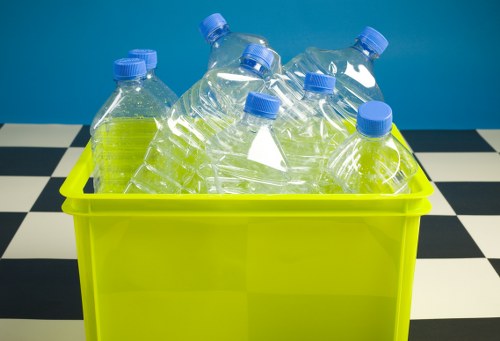
Commercial Waste Guildford: Recycling & Sustainability
Commercial Waste Guildford is evolving to meet ambitious environmental goals. In the heart of Surrey, our approach to an eco-friendly waste disposal area focuses on reducing landfill, increasing reuse, and driving energy-efficient logistics. This page outlines how Guildford commercial waste services and local businesses can work together to deliver a truly sustainable rubbish area that benefits the borough and the wider region.
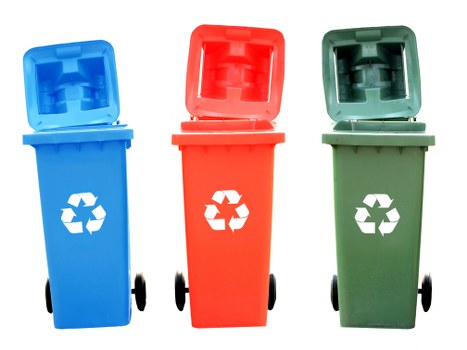
Moving beyond basic collection, commercial waste in Guildford now emphasises segregation at source, co-mingled and separated streams, and support for on-site food waste caddies. The borough's approach to waste separation encourages clear bins for paper, cardboard, glass and mixed recyclables, plus dedicated containers for food and garden waste. Businesses of every size are invited to adopt simple measures — from clear labeling to staff training — that improve capture rates and lower processing costs.
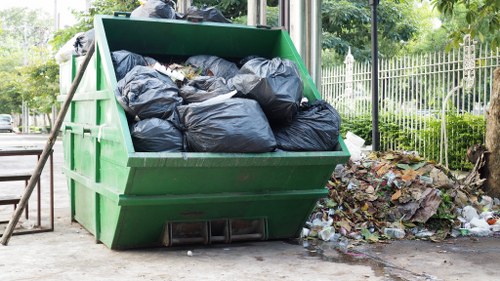
To make progress measurable, we have set a formal recycling percentage target: a 65% recycling rate for commercial waste by 2030. This target balances ambition with practical steps such as improved segregation, stronger partnerships with local processing facilities, and regular performance reporting. Achieving this target will rely on consistent participation by traders, landlords and waste contractors across Guildford.
Local Transfer Stations & Borough Infrastructure
Local transfer stations serve as consolidation points that keep haul distances short and emissions low. Commercial waste in Guildford is increasingly routed via nearby transfer hubs and consolidation depots so loads of paper, glass, metals and organic matter can be sent directly to materials recovery facilities (MRFs) or anaerobic digestion plants. The presence of regional transfer stations reduces double handling and supports the borough's low-carbon logistics strategy.
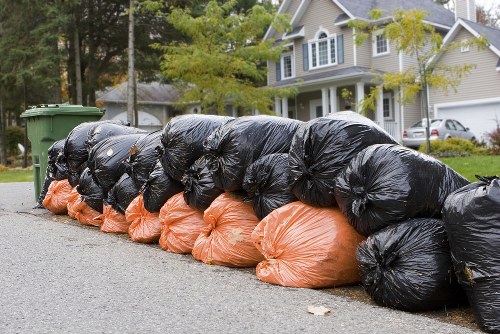
Partnerships with charities and reuse organisations are central to a resilient circular economy. Guildford's commercial waste networks collaborate with local charities to redirect high-quality items — furniture, textiles, office equipment and surplus food — to community groups and social enterprises. These alliances help create jobs, reduce disposal costs and extend the life of many products that would otherwise enter the waste stream.
To increase reuse rates we support:
- Furniture and household item refurbishment programmes
- IT equipment donation and secure data-wiping partnerships
- Clothes banks and textile repair initiatives
Low-Carbon Fleet & Operational Measures
Reducing transport emissions is essential for eco-friendly waste disposal Guildford-wide. Fleet upgrades include the introduction of low-carbon vans — electric vehicles (EVs) and hybrids — alongside route optimisation, load consolidation and the use of Euro-6 engines where EVs are not yet practical. Low-carbon vans are deployed for short urban runs and lighter collections, while larger low-emission vehicles handle bulk movements to transfer stations and MRFs.
Operational best practice also includes real-time telematics, driver training for fuel-efficient driving, and scheduled maintenance to maintain high fuel efficiency. Together, these measures reduce greenhouse gas emissions associated with Guildford commercial waste logistics and demonstrate how a local fleet transition supports wider sustainability aims.
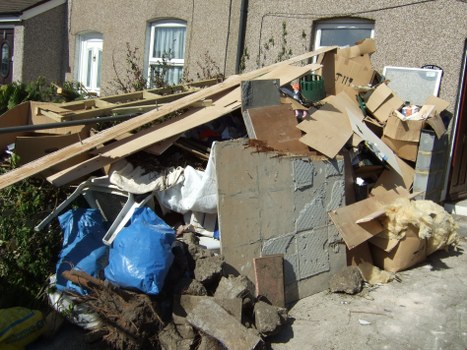
On the processing side, we work closely with materials recovery facilities and anaerobic digestion operators to ensure the highest capture of recyclables and organic material. For businesses producing specific streams — such as waste cooking oil, construction and demolition arisings, or WEEE (waste electrical and electronic equipment) — targeted collection solutions are in place to maximise material recovery and reduce environmental impact.
Services available to businesses include:
- Mixed recycling collections tailored to retail, office and hospitality sectors
- Food waste caddy schemes and organics processing for caterers and canteens
- Secure recycling routes for confidential paper and IT equipment
- Bulky item and furniture reuse programmes in partnership with charities
- Construction waste segregation and aggregate recovery
Monitoring and reporting underpin performance: businesses receive regular waste audits, tonnage reports and recycling percentage updates so progress toward the 65% target is transparent. Guildford commercial waste reporting also informs borough-level planning and helps prioritise investments in local infrastructure, such as additional transfer stations or new recycling lines.
Ultimately, delivering a thriving, eco-conscious commercial waste ecosystem in Guildford depends on collaboration. From independent retailers and large office parks to regional waste consolidation hubs, every participant plays a part in shaping a resilient, low-carbon approach to rubbish management. By combining better segregation, charity partnerships, efficient transfer stations and a modern fleet of low-carbon vans, the borough can create a genuinely sustainable rubbish area that protects local environments and supports the circular economy.
