Commercial Waste in Guildford

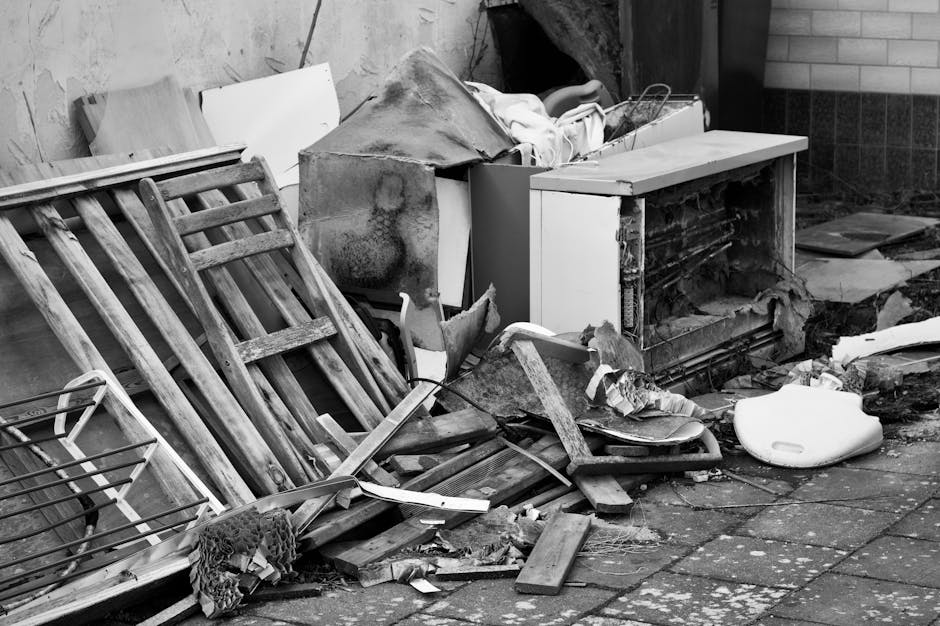
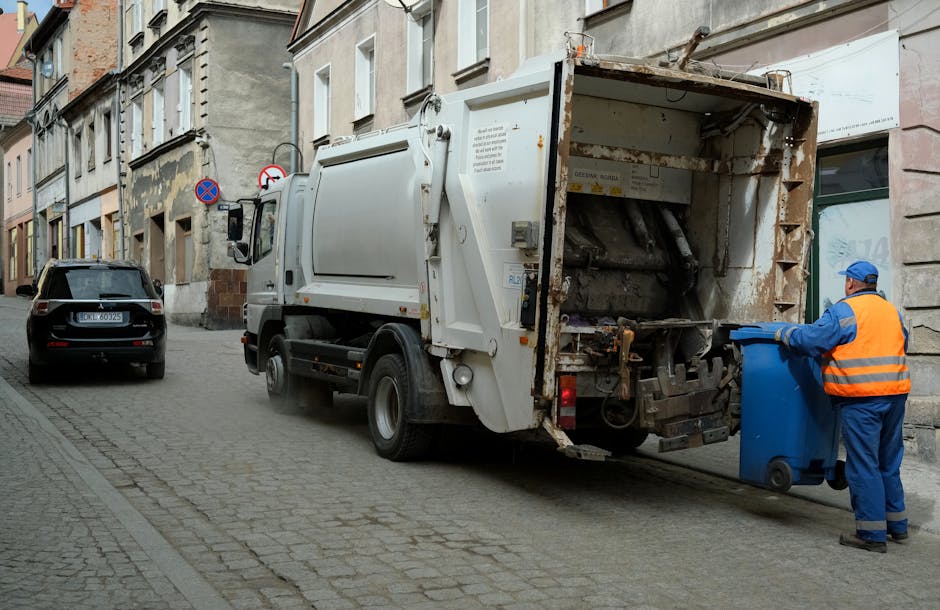
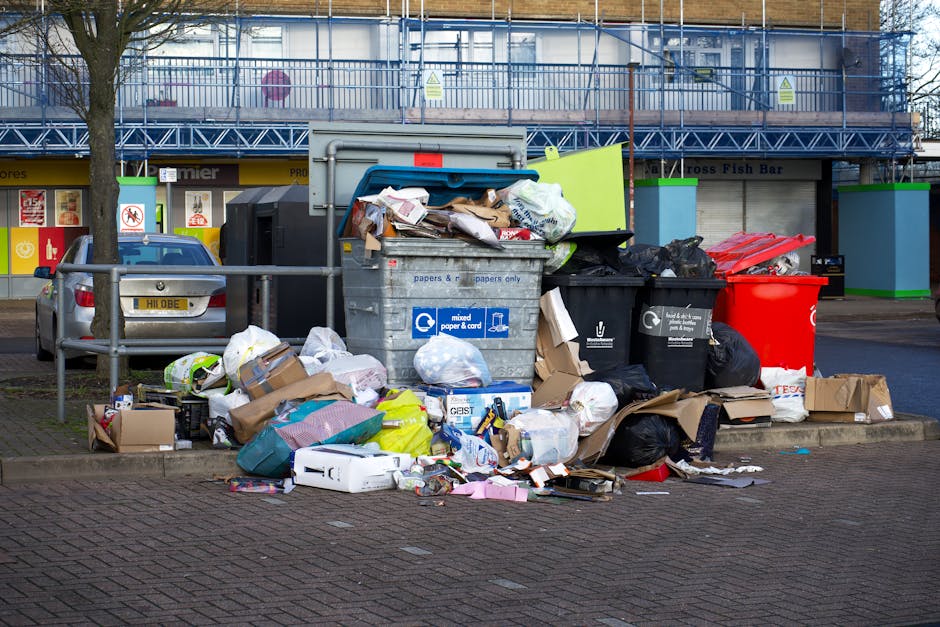
Commercial waste in Guildford needs a service that is practical, organised and able to handle the mixed materials that arise in everyday trading. We remove general business waste, bulky items and recyclable loads from premises across the area, with a focus on keeping collection straightforward for offices, shops, workshops and other commercial settings. The aim is to help you clear waste responsibly, reduce clutter on site and keep storage areas, back rooms and access routes working as they should.
The service is suited to routine clear-outs as well as one-off collections after a refit, relocation or seasonal tidy-up. Typical loads can include packaging, broken furniture, redundant fixtures, paperwork for secure disposal and mixed rubbish that has built up over time. If you need to arrange commercial waste removal in Guildford, the easiest starting point is to describe the material, the access and the amount involved so the right collection plan can be put together.
For an initial enquiry, it helps to group waste by type where possible and note anything that needs special handling. A short written list is often enough for a quotation request, although photographs can help where access is awkward or the load contains mixed items. When you are ready to compare options, ask for a quotation and make sure the scope you want cleared is explained clearly.
Business collections for regular and one-off waste
Commercial waste work is rarely the same from one premises to the next, so the service has to stay flexible. Some clients need a single clearance after an office move or a stock refresh, while others want help with recurring accumulations that fill skips, stores or shared bin areas. We can handle mixed non-hazardous business waste, separating what can be recycled from material that needs disposal, provided the load is suitable for the service requested.
Good planning keeps the collection efficient. It is useful to think about what must go, what can stay, and whether any items are awkward to lift or move from upper floors, cellars or tight corridors. Pricing and quotes is a sensible page to review if you want to understand how the scale of the job, access and waste type can affect a quotation, while keeping the request focused on the actual work needed.
When the waste is mainly general business refuse, the service can often be planned around the normal working day with minimal disruption. If you are dealing with mixed rubbish rather than a single material stream, it is best to be precise about the contents so the collection is matched to the job. A concise description now usually saves time later, especially where the load includes both light and bulky items.
Office waste clearance and workplace decluttering
Office waste clearance covers the kinds of items that build up in workplaces: redundant desks, chairs, filing cabinets, old reception furniture, packaging, archive material and general rubbish from rearrangements or end-of-project tidy-ups. The service is useful when rooms need to be reset for staff, when storage space is being reclaimed or when you want obsolete items removed without having to manage several separate disposal arrangements.
Some workplaces need careful sorting because not everything should be treated in the same way. Paper records, office furniture and electrical items may each need different handling, and secure shredding can be considered for confidential material where appropriate. Office clearance provides a dedicated route if your main task is to clear work areas, meeting rooms or storage spaces rather than general mixed commercial waste.
Useful details to include in an enquiry are the number of rooms affected, whether there are lifts or stairs, and whether the clearance involves furniture, archived paper or disposable office supplies. If there are items that must remain in place, point them out before collection day. That way the service can focus on what needs removing and avoid unnecessary handling of equipment or fixtures that are still in use.
Shops, hospitality venues and customer-facing premises
Retail and hospitality premises often generate waste that is bulky rather than simply heavy. Packaging from deliveries, worn furniture, display fixtures, damaged stock, back-of-house rubbish and refurbishment debris can all need removal as part of keeping the premises usable. The service is designed to take that kind of practical clearance work out of your hands so that floor space, stores and service areas can be managed more easily.
If you are planning a fit-out, stock change or refresh, it can help to separate what is scrap from what still has value or may need a different route. Waste removal is a general option when the load is mixed and you want the items taken away in one organised visit, while more specific pages are useful if the waste is mainly furniture, appliances or garden material rather than a broad commercial load.
Because customer-facing spaces often need to stay tidy during opening hours, clear instructions about access points, loading bays, rear entrances and timing can make the process smoother. You do not need to over-explain the whole site; a simple note about where the waste is stored and how it can be reached is often enough. That gives the collection team the context needed to deal with the job without interrupting the rest of the day.
Bulky items, fixtures and furniture from commercial sites
Many business clearances involve more than bags of rubbish. Old office seating, shelving, counters, cupboards, filing units, display furniture and loose fixtures can take up significant space and may need to be removed before refits, reorganisation or end-of-lease handovers. A targeted bulky-item collection is useful when the main challenge is size, shape or quantity rather than ordinary bagged waste.
For furniture specifically, it can help to choose the most relevant route so the collection is handled efficiently. Furniture clearance is a good fit for mixed chairs, tables and cabinets, while furniture disposal is more suited to loads where disposal is the main concern and the items are already grouped. These pages are useful when you want a clearer match between the type of item and the way it should be removed.
Many commercial customers also need to manage the sequence of work. Heavier items are usually dealt with first, then smaller rubbish and loose pieces can be cleared afterwards. That simple approach keeps routes open and makes it easier to see what has gone and what remains. Being specific about item types means the quotation can reflect the real scope rather than a rough guess based on the overall room size.
Recycling, reuse and responsible disposal choices

Commercial waste is often a mix of recyclable material, reusable equipment and items that must be disposed of. Cardboard, some plastics, metal, paper and certain fixtures may be separable from general rubbish, depending on condition and contamination. A thoughtful clearance service looks at the load as a whole so that recoverable material is not treated the same way as ordinary waste when a better route is available.
Where sustainability is a consideration, it is sensible to use a service page that reflects that part of the work. Recycling and sustainability explains the broader approach to separating useful material from general disposal, while fridge and appliance removal is relevant if your business waste includes electrical or cooling equipment that should not be mixed with standard rubbish. Choosing the right route helps keep the job well organised.
Not every item is suitable for the same process, and that is one reason why a careful description matters. If a load includes a mix of cardboard, damaged stock, broken furniture and obsolete equipment, list the main categories so the collection can be planned realistically. That makes it easier to arrange disposal in a way that matches the contents rather than forcing everything into a single broad label.
Special items and sensitive material
Some commercial waste needs a more specific approach because of the contents rather than the quantity. Confidential paperwork, broken appliances, awkward furnishings and certain maintenance materials can require extra care during handling and disposal. The service can be shaped around those differences, provided the items are suitable for the collection and the nature of the load is explained clearly at the outset.
If your business is clearing records, documents or paperwork with confidential content, a more focused route may be appropriate. Confidential shredding is relevant where secure disposal matters, while hazardous waste disposal should be considered for material that cannot be handled as ordinary commercial rubbish. Using the correct page helps separate routine waste from items that need special treatment.
For electrical items and appliances, it is wise to note whether anything is intact, damaged or disconnected before collection. That is especially important where the waste includes fridges or similar units that may need a dedicated disposal process. Clear labelling of the load makes the job safer and more efficient, and it reduces the chance of the wrong items being included in a standard clearance.
About Guildford
Guildford is a historic market town in Surrey, set on the River Wey and framed by the North Downs to the south and east. Its older centre grew around the crossing of the Wey and the main road route through the county, and the town retains a layered streetscape that combines medieval, Georgian, Victorian and modern buildings. High Street is one of the best-known parts of the town, with its steep profile, listed architecture and characteristic lanes leading off towards quieter residential streets. Guildford Castle, with its surviving keep and landscaped grounds, is a prominent local landmark, while the surrounding castle gardens give a clear sense of the town’s long development. The River Wey Navigation links Guildford to a wider inland waterway network, and the towpath, basins and bridges add another dimension to the town’s historic character. The University of Surrey contributes a distinct campus presence on the western side of the town, while the theatre, arts venues and riverside walks support a lively cultural life. Green spaces are close at hand, including Stoke Park, Pewley Down and areas of open hillside that rise above the centre and give wide views across the town and beyond. As a county town, Guildford also has administrative and commercial significance, but it remains strongly shaped by its river, its old street pattern and its position between London and the west of England.
Industrial units, depots and trade premises

Warehouses, workshops, depots and mixed trade premises often produce waste that is heavier, rougher or more awkward than office rubbish. Offcuts, broken racking, damaged pallets, obsolete fixtures, packaging and general clutter can build up in corners or service zones until the site becomes harder to work in. A commercial clearance can help restore usable space and make the premises easier to manage without forcing you to sort every item into separate channels yourself.
Where the load is mainly redundant furniture, cabinets or storage fixtures, it may be helpful to combine the right specialist pages with the main commercial service. Garage clearance can be a useful reference when the waste resembles mixed stored items rather than ordinary workplace rubbish, while loft clearance is relevant if goods are kept in overhead or hard-to-reach storage areas. These pages can guide the choice of service where the setting, access and contents are especially important.
For many trade customers, the main question is not simply what needs removing, but how much of the site is affected and how it can be accessed safely. A straightforward description of entrances, loading points and any restricted areas usually gives enough detail to shape the work. If machinery, stock or fixtures are staying in place, identify them clearly so there is no confusion when the collection is carried out.
Household-style clearances for business-owned properties
Some commercial waste arises from premises that are not standard offices or workshops. Lettings, managed properties, empty flats above shops, inherited stock rooms and mixed-use buildings can all generate waste that has a household feel even though the request is commercial in nature. In those cases, the collection needs to stay flexible enough to deal with furniture, boxes, general rubbish and any items left behind between tenancies or uses.
For those more property-based jobs, the most relevant route may be a clearance page that matches the setting. Flat clearance and house clearance are useful where the waste resembles domestic contents rather than office equipment, while home clearance can suit mixed contents that need to be removed from a lived-in or previously occupied property. The right choice depends on the nature of the items, not just the business context.
The same applies to storage spaces. If waste has built up in a garage, loft or unused back room, it is better to mention the setting and the type of contents instead of simply saying there is a lot to clear. A focused description helps keep the quotation realistic and avoids assumptions about what can be removed in one visit. It also makes the handover simpler when the collection begins.
Booking, access and quotation details
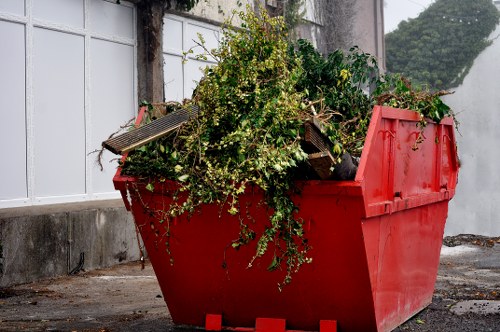
When you request a quotation for commercial waste in Guildford, the most useful information is usually the type of waste, the approximate volume, and anything that affects access. Stairs, narrow entrances, upper floors, shared corridors and limited parking can all influence how the work is planned. A clear description of the site and the items to be removed gives a stronger basis for the quotation than a vague request for “general rubbishâ€.
If you are comparing dates or planning a phased clearance, it can help to know which items are urgent and which can wait. Bookings are easier to structure when the waste is grouped into obvious categories, such as furniture, packaging, records or mixed rubbish. Book online is available if you prefer to make a straightforward request, and contact us is the right place to use when you want to ask for a quotation and discuss the details before arranging the collection.
For a tidy and accurate start, list the main waste types, note anything especially heavy or fragile, and say whether the site is occupied during normal working hours. Then request a quotation and let the service be matched to the actual contents rather than an estimate based on the room alone. That keeps the process practical from the first enquiry through to collection.