Guildford High Street rubbish collection guide for residents
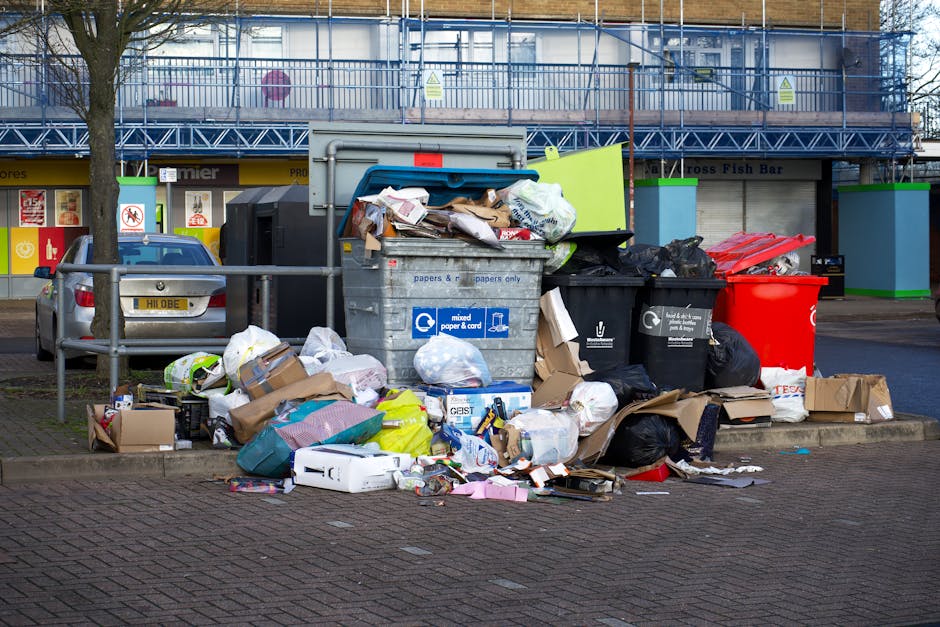
If you live near Guildford High Street, rubbish has a habit of becoming urgent at the worst possible moment. A hallway full of bagged waste, an old mattress leaning by the front door, or a flat move that has left you with more clutter than you expected - it all needs sorting, and usually quickly. This Guildford High Street rubbish collection guide for residents breaks down what to do, what to avoid, and how to choose the right collection method without making a mess of it.
Truth be told, rubbish removal is rarely just about "getting rid of stuff". It's about access, timing, safety, recycling, and making sure the waste ends up where it should. In a busy town-centre setting like Guildford High Street, that matters even more. Let's make it simple.
- Why it matters
- How it works
- Key benefits and practical advantages
- Who this is for and when it makes sense
- Step-by-step guidance
- Expert tips for better results
- Common mistakes to avoid
- Tools, resources and recommendations
- Law, compliance, standards, or best practice
- Options, methods, or comparison table
- Case study or real-world example
- Practical checklist
- Conclusion
- Frequently asked questions
Why Guildford High Street rubbish collection guide for residents Matters
Guildford High Street is not the kind of place where waste can be left to drift. There are pavements, neighbours, shopfronts, loading windows, parking constraints, and all the usual day-to-day pressures of a busy town centre. For residents, that means rubbish collection has to be planned a bit more carefully than in a quiet suburban street.
Why does that matter? Because the wrong approach can create three problems at once: a blocked entrance, a missed collection, and a fine mess of unwanted items sitting where they should not be. You may only be clearing a few bags, but even that can become awkward if access is tight or if the items need special handling.
In our experience, the biggest frustration for residents is not the waste itself. It's the uncertainty. Can it go out with normal household rubbish? Does it need a separate removal? What if it is bulky, electrical, or potentially hazardous? Those are the questions that usually decide whether the job is easy or annoying. And let's face it, nobody wants a complicated rubbish day.
Expert summary: The best rubbish collection plan is the one that fits your access, your waste type, and your timing. Start with what you have, then match it to the safest and most practical disposal route.
How Guildford High Street rubbish collection guide for residents Works
For most residents, rubbish collection falls into one of three broad routes: household bins, bulky waste removal, or a private clearance service. The right one depends on volume, item type, and how quickly you need the space cleared.
Normal household waste is usually straightforward: you separate it, bag it properly, and follow your regular collection routine. Once you move beyond that - old furniture, broken appliances, mixed household clutter, builders' leftovers, or garden cuttings - the process becomes more specific.
That is where services such as waste removal can be helpful. If the load is bulky, awkward, or time-sensitive, a dedicated collection often saves several trips, several bin bags, and a fair bit of stress. For larger household clear-outs, you might also look at home clearance or house clearance, depending on the scale of the job.
There is also a practical difference between "can be taken away" and "should be taken away this way". For example, a fridge, mattress, or sofa needs more thought than general bagged rubbish. The collection method should match the item, not just the inconvenience level.
Key Benefits and Practical Advantages
Good rubbish collection is not only about tidiness. Done properly, it improves safety, keeps communal areas clear, and reduces the chance of waste hanging around longer than it should. On a High Street, that has a visible effect straight away.
- Less clutter: You get your hallway, front step, yard, or storage area back.
- Safer access: No one wants loose bags or sharp items sitting where people walk.
- Faster turnaround: Ideal when you are moving, renovating, or just fed up with the pile-up.
- Better recycling potential: A sorted load is easier to divert from landfill.
- Less lifting and stress: Especially useful for bulky household items.
There's another benefit people overlook: mental space. A room full of unwanted stuff has a way of making the whole place feel half-finished. Once it is gone, the room often looks bigger than you remembered. That little lift matters more than you think.
If your priority is responsible disposal, it is worth reading about recycling and sustainability. It helps set expectations around what can be reused, separated, or handled more carefully.
Who This Is For and When It Makes Sense
This guide is for residents who live on or near Guildford High Street and need a practical way to deal with rubbish, bulky waste, or household clutter. That might mean a one-off collection after a clear-out, or a regular pattern of waste that has become too much for ordinary bins to handle comfortably.
It tends to make sense if you are:
- moving house or flat
- clearing a room, loft, garage, or shed
- replacing furniture or appliances
- dealing with post-renovation debris
- sorting out accumulated clutter after a busy season
- trying to clear waste from a property between tenancies
It also makes sense if access is awkward. Town-centre residents often deal with narrow entrances, limited parking, shared bins, or awkward stairwells. In those cases, a direct collection can be far less painful than trying to squeeze everything into a car boot. Been there, seen that, not fun.
For residents in flats or converted buildings, flat clearance can be particularly useful because it takes the practical side of access into account. Same idea for larger living spaces where the waste is spread across several rooms.
Step-by-Step Guidance
If you want the process to feel calm rather than chaotic, follow a simple sequence. Do the boring bits first. They save time later.
- Identify the waste type. Start by separating general rubbish, bulky items, electricals, garden waste, and anything that could be classed as hazardous.
- Estimate the volume. A few sacks is very different from a roomful of furniture. Rough size matters because it affects collection method and cost.
- Check access. Look at parking, stairs, lift access, narrow corridors, and any restrictions around where items can be placed.
- Decide what can be reused or donated. Not everything needs disposal. Some items can be passed on if they are safe and in reasonable condition.
- Choose the right removal route. For lighter loads, standard household disposal may be enough. For larger or mixed loads, a dedicated service is often easier.
- Prepare the items. Put loose waste into bags, remove personal items, and separate anything you want to keep. Sounds obvious, but people forget this step all the time.
- Book and confirm details. Make sure the collection time, access notes, and item list are clear before the team arrives.
- Clear the route. If items need to pass through the property, move fragile objects and make a clear path.
A useful rule of thumb: the better the preparation, the quicker the collection. Five minutes spent sorting can save twenty minutes of awkward moving around later.
Expert Tips for Better Results
Small decisions make a big difference. If you want a smoother collection, keep these points in mind.
- Do a quick "keep, donate, remove" sort first. It cuts noise from the process and stops good items getting mixed in with waste.
- Keep hazardous materials separate. Paint, chemicals, solvents, and similar items should never be casually bundled in with general rubbish.
- Break down furniture where possible. A flat-pack wardrobe or dismantled bed base is much easier to move than a fully assembled one.
- Photograph awkward items before booking. A couple of clear pictures often help prevent confusion.
- Plan around your building's quiet times. If you live above shops or in a shared block, avoiding the busiest hour can make life easier for everyone.
Another handy tip: if the collection includes old sofas, mattresses, or appliances, group them together in one spot if you can do so safely. It sounds minor, but it makes loading far simpler. Less wandering about. Less "where's the other bit?"
For upholstered items specifically, see mattress and sofa disposal. For broken fridges, washing machines, or similar kit, fridge and appliance removal is the safer route.
Common Mistakes to Avoid
Most rubbish collection problems come from the same handful of mistakes. The good news? They are all avoidable.
- Mixing prohibited items with general waste: This can create safety and handling issues.
- Underestimating how much there is: One hallway cupboard somehow becomes three van loads. It happens.
- Forgetting access restrictions: A collection can be delayed if parking or entry points are not thought through.
- Leaving sorting until collection day: That usually creates confusion and slows everything down.
- Ignoring bulky-item handling: Heavy furniture or appliances should not be dragged carelessly down stairs or across shared floors.
There is also the classic "I thought it would fit" problem. It rarely does. If you are not sure, measure first or share photos. A practical estimate beats guesswork every time.
Tools, Resources and Recommendations
You do not need specialist equipment for most household rubbish collection jobs, but a few simple tools help a lot.
- Heavy-duty bin bags: Better for mixed light waste and loose bits.
- Marker pen and labels: Useful for marking "keep" items or separating mixed piles.
- Gloves: Basic protection for sharp edges, dust, and dirty surfaces.
- Boxes or crates: Better than loose piles for smaller items.
- Phone camera: Handy for documenting awkward loads before booking a collection.
For homeowners and landlords dealing with bigger jobs, it may help to look at loft clearance, garage clearance, or garden clearance if the waste has built up in a specific part of the property.
If the load includes renovation leftovers, builders waste clearance is usually the more suitable route than ordinary rubbish removal. Rubble, plasterboard, and similar materials need a more considered approach.
Law, Compliance, Standards, or Best Practice
Waste disposal in the UK is not something to treat casually. You do not need to become a legal expert, but you do need to make sensible choices. The basic principle is simple: waste should be handled safely, transferred responsibly, and taken only by someone equipped to deal with it properly.
For residents, the main practical point is to avoid leaving waste where it could become a hazard or obstruction. On shared streets and in town-centre locations, that means being careful about where items are placed and how long they stay there. In mixed-use areas, it also means being considerate of neighbours, shopfronts, and pedestrian movement.
Best practice usually looks like this:
- keep waste contained until collection
- separate hazardous or specialist items
- avoid blocking pavements, entrances, or fire routes
- use a provider that explains how waste is handled
- ask about recycling, reuse, and safe transfer where relevant
If you want extra reassurance on process and handling, pages such as health and safety policy and insurance and safety can help you understand the kind of standards a professional waste service should be working to. That sort of detail matters more than people think.
For anything sensitive or confidential, such as documents from a home office or small business, confidential shredding is the more suitable option than ordinary bin disposal. Simple, but important.
Options, Methods, or Comparison Table
Choosing the right method depends on what you are clearing, how quickly you need it gone, and how much lifting you want to do yourself. The table below gives a practical comparison.
| Method | Best for | Pros | Watch-outs |
|---|---|---|---|
| Regular household bins | Everyday rubbish and small bagged waste | Simple, familiar, low effort | Not suitable for bulky items or large clear-outs |
| Bulky waste collection | Single large items or a small number of awkward pieces | Convenient and targeted | Needs clear access and item-specific planning |
| Full waste removal service | Mixed loads, clutter, furniture, and heavier household waste | Fast, flexible, reduces lifting | May cost more than doing it yourself, though often better value overall |
| Skip-style option | Longer projects with steady waste output | Useful for ongoing clear-ups | Needs space and care with loading rules; see what can go in a skip |
If you are weighing up pricing, it is sensible to review pricing and quotes before you book. Clear pricing guidance helps prevent misunderstandings, especially when the load is mixed or unusually bulky.
Case Study or Real-World Example
Imagine a resident in a Guildford High Street flat who has just finished a long-overdue declutter. There are two broken dining chairs, an old vacuum, a mattress, a box of mixed household rubbish, and a small pile of dusty bits from a cupboard that somehow became a storage magnet. Nothing dramatic, just annoying enough to hang around for weeks.
At first glance, it looks manageable. But the flat is on an upper floor, the stairwell is narrow, and the lift is not ideal for larger furniture. If the resident tries to do it all in one go with a car and a few bin bags, the job turns into several trips and a lot of lifting. It drags on.
Now compare that with a planned collection. The resident separates the items, checks access, moves the route clear, and books the right type of service. The result is calmer, quicker, and less physically demanding. The hallway is cleared in one visit, the bulky items are taken safely, and the resident gets the room back without spending the whole day negotiating with the stairwell. A small victory, but a satisfying one.
That is the real difference. Not magic. Just sensible planning.
Practical Checklist
Use this quick checklist before collection day. It saves headaches, honestly.
- Identify every item you want removed
- Separate general waste from specialist items
- Remove anything you want to keep
- Check whether items need dismantling
- Clear a path from the property to the pickup point
- Confirm parking or access arrangements
- Put bagged waste together neatly
- Keep hazardous materials apart
- Take photos of large or awkward items if needed
- Review collection details and timing one last time
If your clear-out includes furniture, a look at furniture clearance or furniture disposal may help you decide the best approach. Different items, different handling. Simple as that.
Get a free quote today and see how much you can save.
Conclusion
A sensible rubbish collection plan makes Guildford High Street life easier. It keeps your home clearer, your access safer, and your waste handling more responsible. Whether you are clearing a single bulky item or tackling a bigger household job, the best outcome usually comes from a bit of preparation and the right collection method.
Start with what you have, sort it honestly, and choose the route that fits your space and timeline. That alone removes most of the friction. The rest is just execution - and, to be fair, that part feels much better once it is underway.
If you are dealing with a larger property clean-up, it may also help to explore flat clearance, garage clearance, or waste removal depending on what is piling up. A practical choice now usually saves a lot of hassle later, and that is worth doing right.
And once the rubbish is gone, the place feels lighter. Not just cleaner - lighter.
Frequently Asked Questions
What is the best rubbish collection option for Guildford High Street residents?
It depends on the type and amount of waste. Small everyday rubbish usually suits normal household collection, while bulky, mixed, or time-sensitive waste is often easier to handle with a dedicated removal service.
Can I leave bulky items outside for collection?
Only if the collection arrangement allows it and the items will not block access or create a hazard. In shared or town-centre settings, it is usually better to confirm placement details first rather than assuming.
What should I do with old furniture?
Check whether it can be reused, donated, or dismantled before removal. If not, furniture-specific services such as furniture clearance or furniture disposal are often the cleanest option.
How do I know if an item is hazardous?
If it contains chemicals, oils, solvents, paints, batteries, or similar materials, treat it cautiously. When in doubt, keep it separate and ask for guidance before mixing it with general waste.
Is a skip always the best solution?
No. A skip can be useful for ongoing projects, but it needs space and the right loading rules. For smaller or more awkward clear-outs, a direct collection is often simpler.
What if I live in a flat above shops?
Then access matters even more. Flat clearance can be a better fit because it accounts for stairs, lifts, shared entrances, and awkward loading points.
Can I include appliances in my rubbish collection?
Sometimes, yes, but appliances are often handled separately because they need careful removal. Fridges, washing machines, and similar items are usually best dealt with through appliance-specific removal.
How can I make collection day quicker?
Sort the waste in advance, place items in one accessible area, clear a route, and keep anything you are not removing out of the way. A tidy prep job makes a huge difference.
What if I have documents or private papers to dispose of?
Use confidential shredding rather than putting sensitive papers into ordinary rubbish. It is a small step, but it matters more than most people realise.
Are household clearances suitable for move-out cleanups?
Yes, especially when you are leaving a property, preparing for new tenants, or clearing a home after years of accumulated clutter. House clearance and home clearance are both useful in those situations.
Do I need to sort recycling from rubbish first?
It helps a lot. A sorted load is easier to handle responsibly, and it can improve recycling outcomes. That is one reason people look at recycling and sustainability before booking.
Where can I learn more about booking and payment?
You can review book online if you are ready to proceed, and check payment and security for peace of mind about the process.